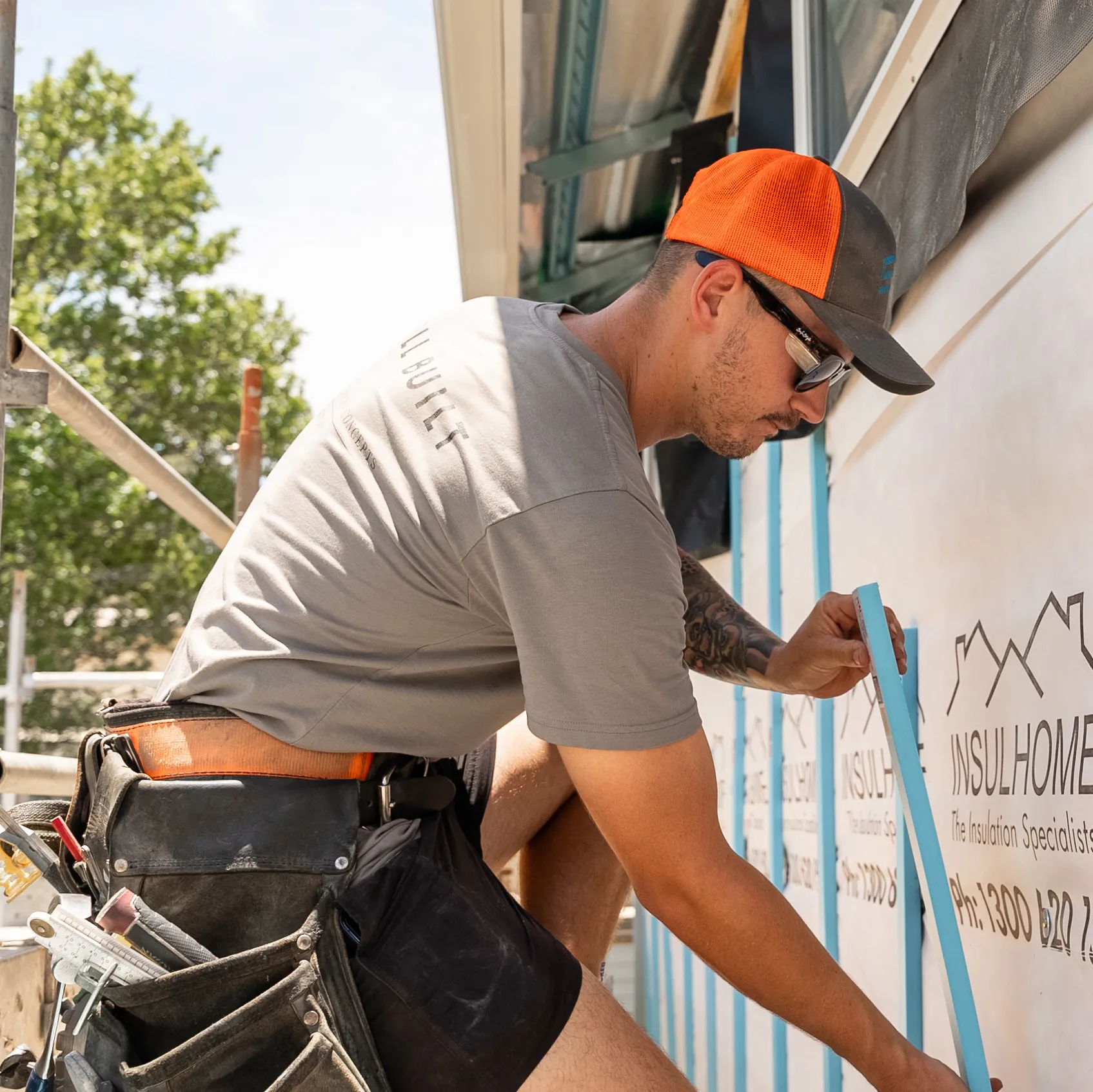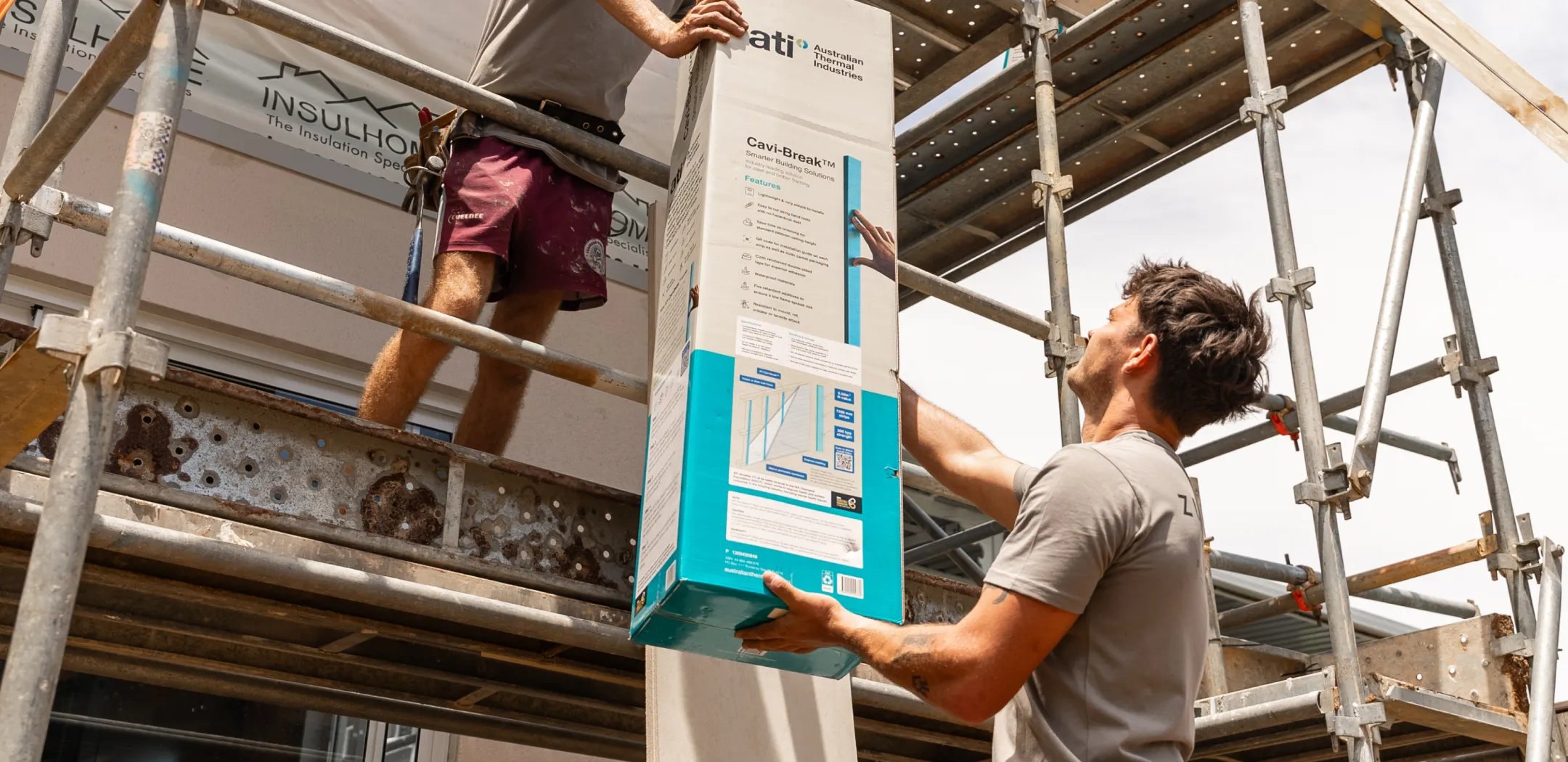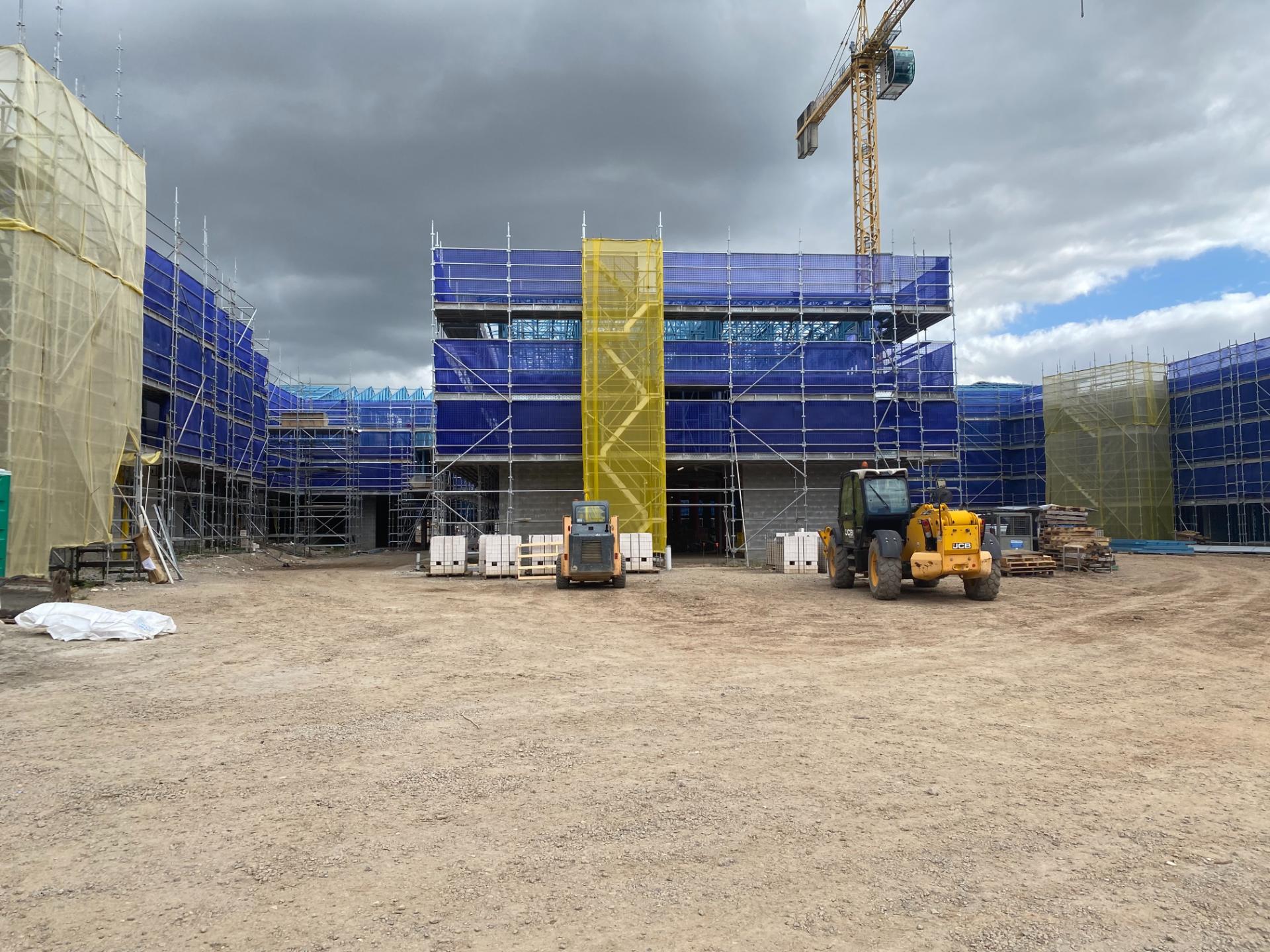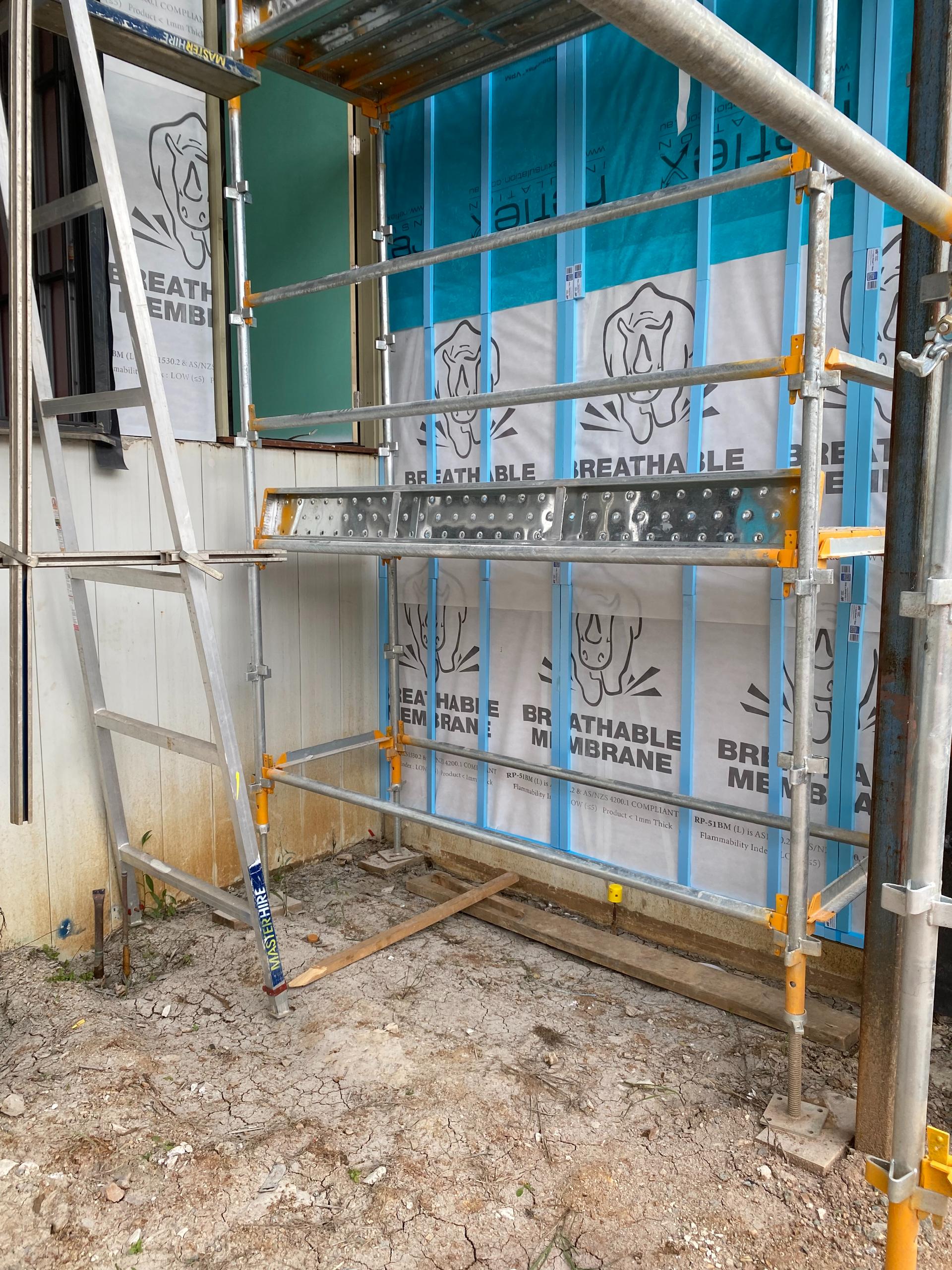
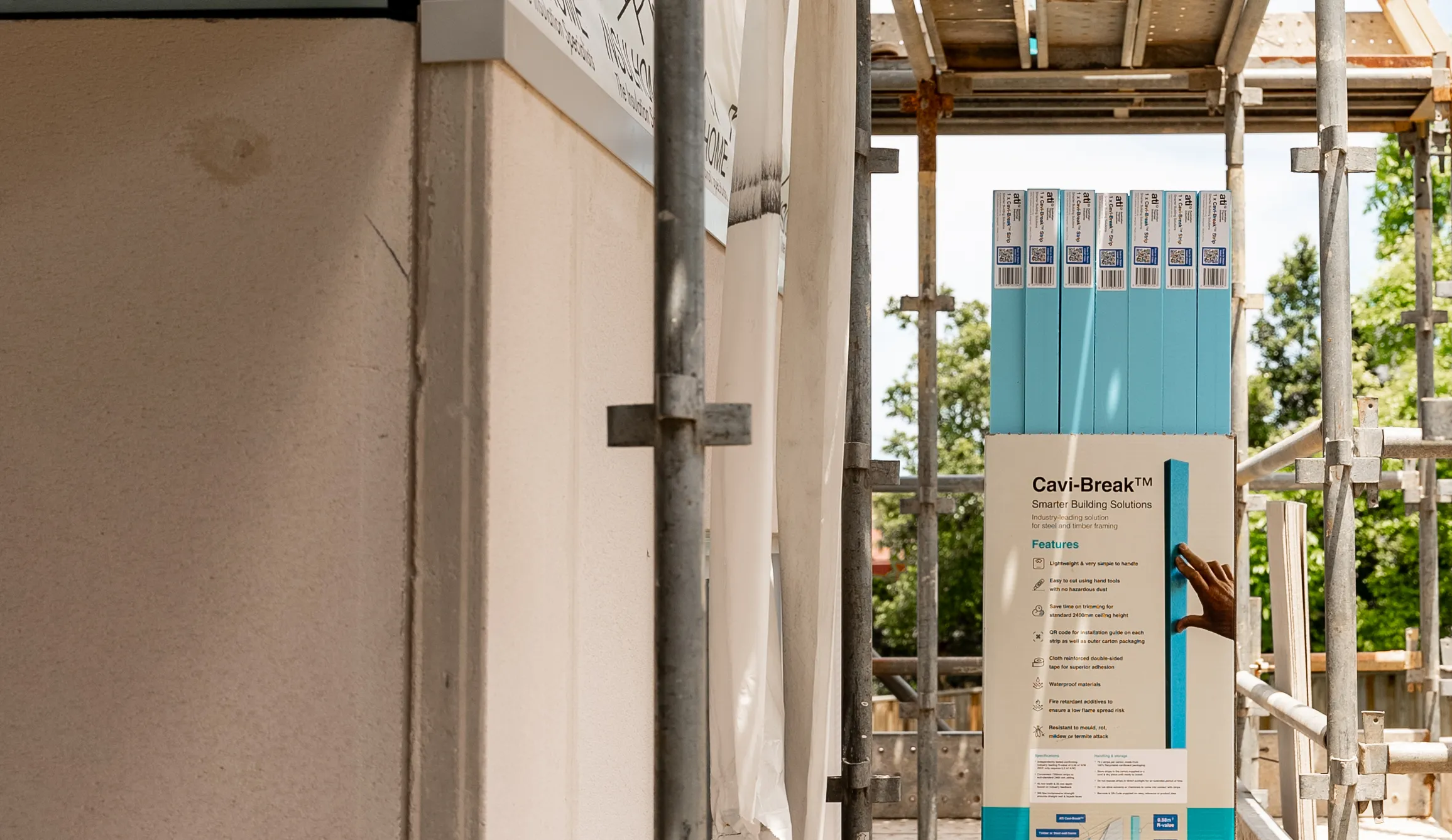
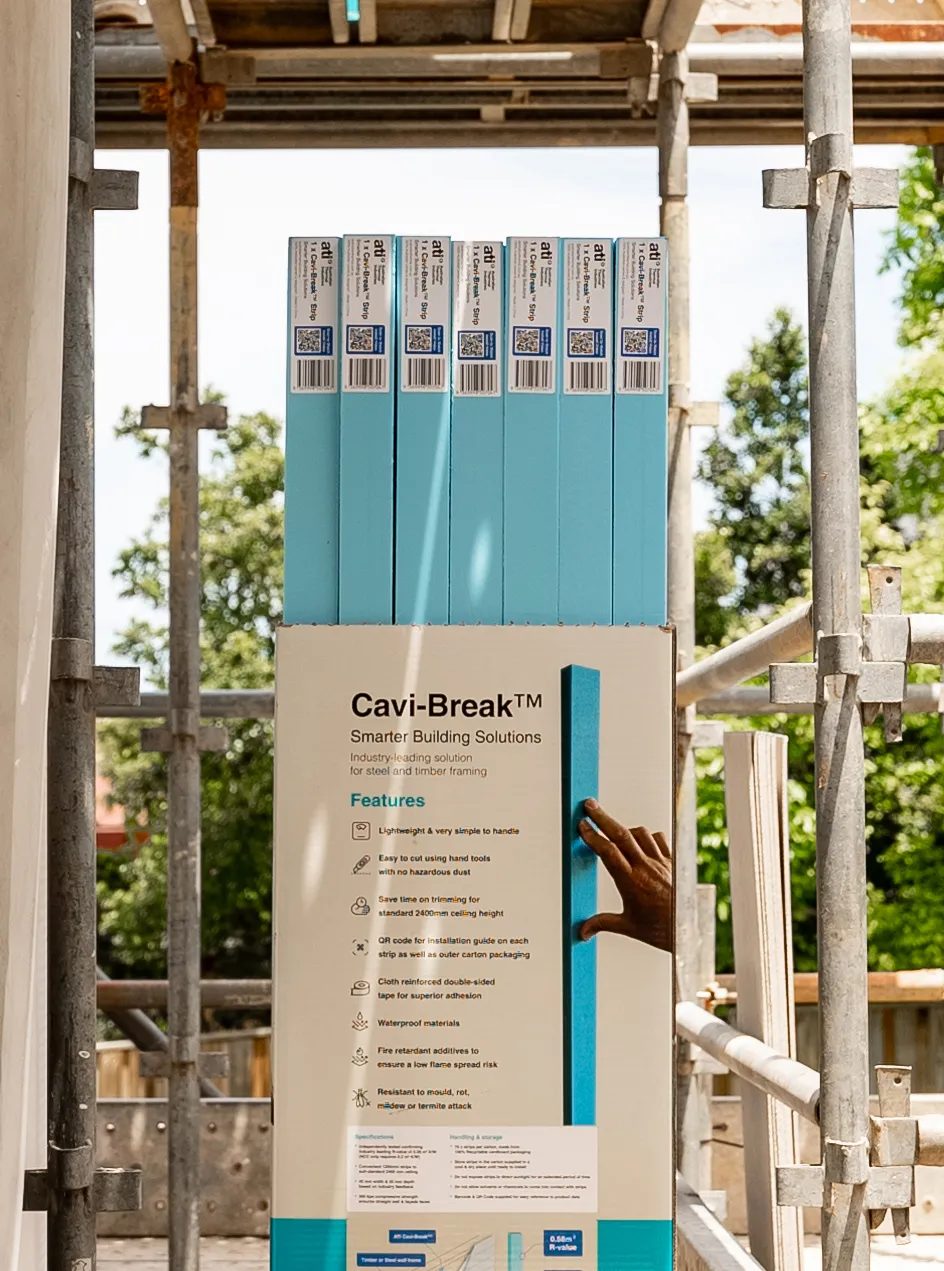
ATI products are designed with the working site in mind, not just the lab. Each product installs simply and consistently, without complex detailing or improvised workarounds. The result is a repeatable process that doesn't slow the build program.
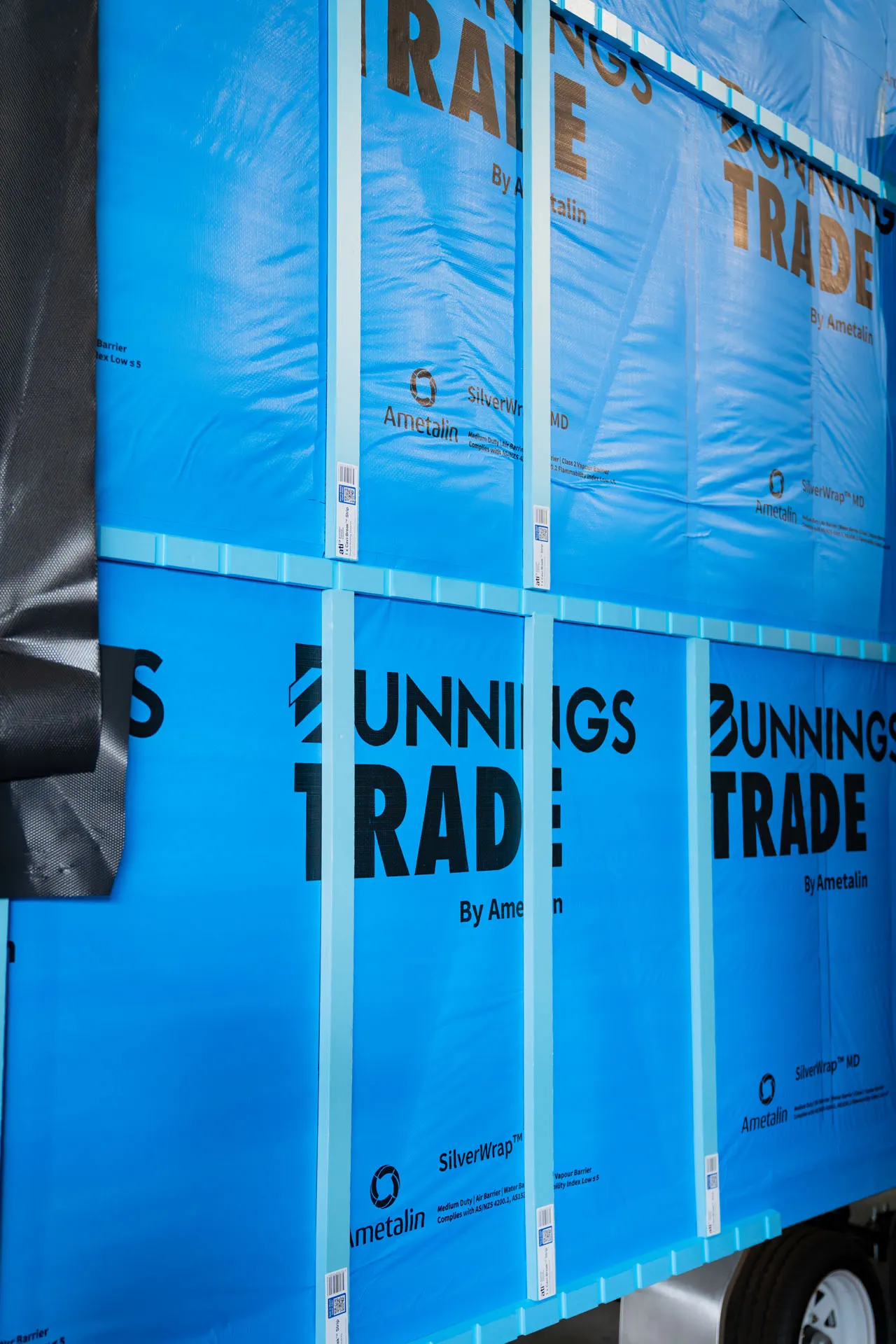
Independently tested and documented to support NCC compliance without the guesswork.
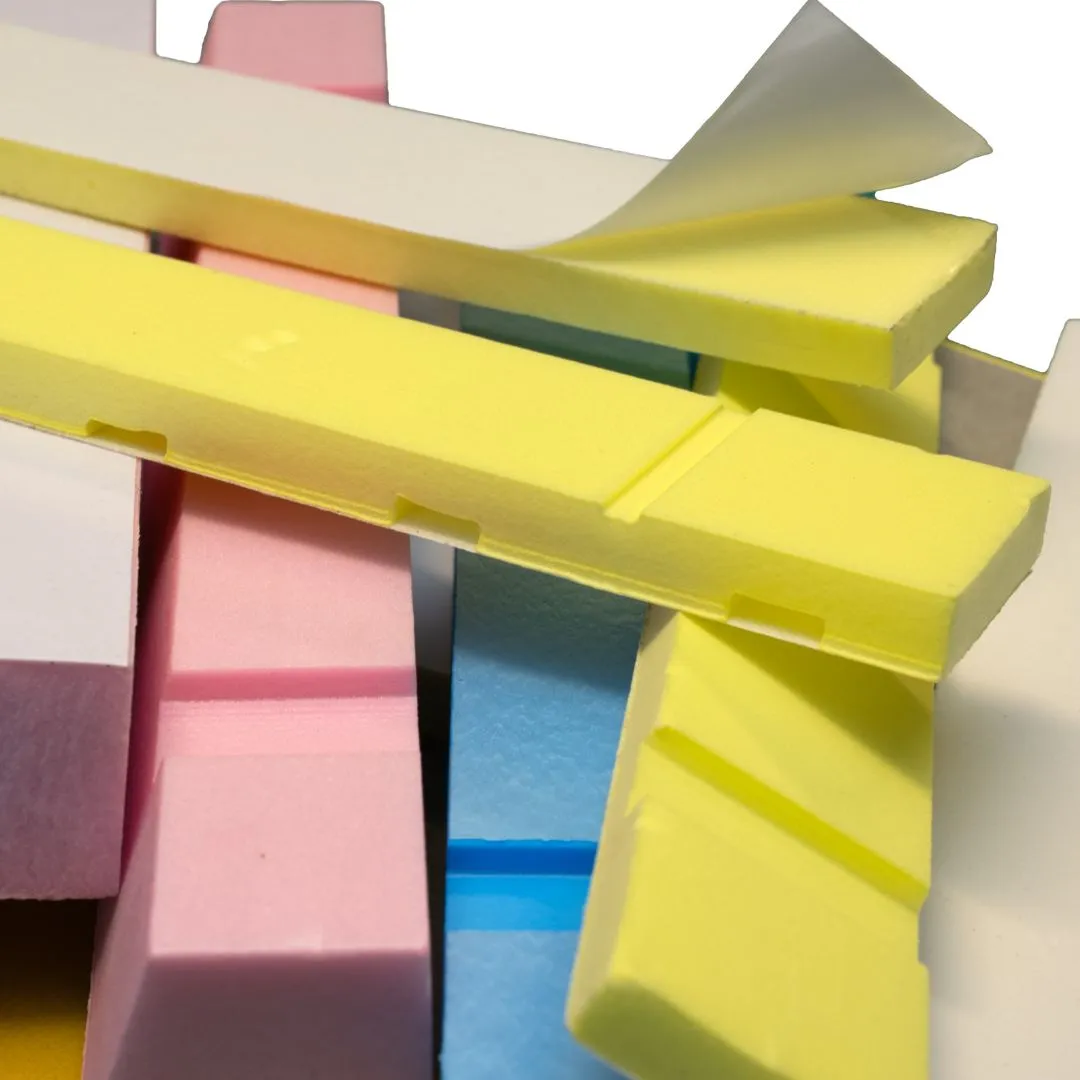
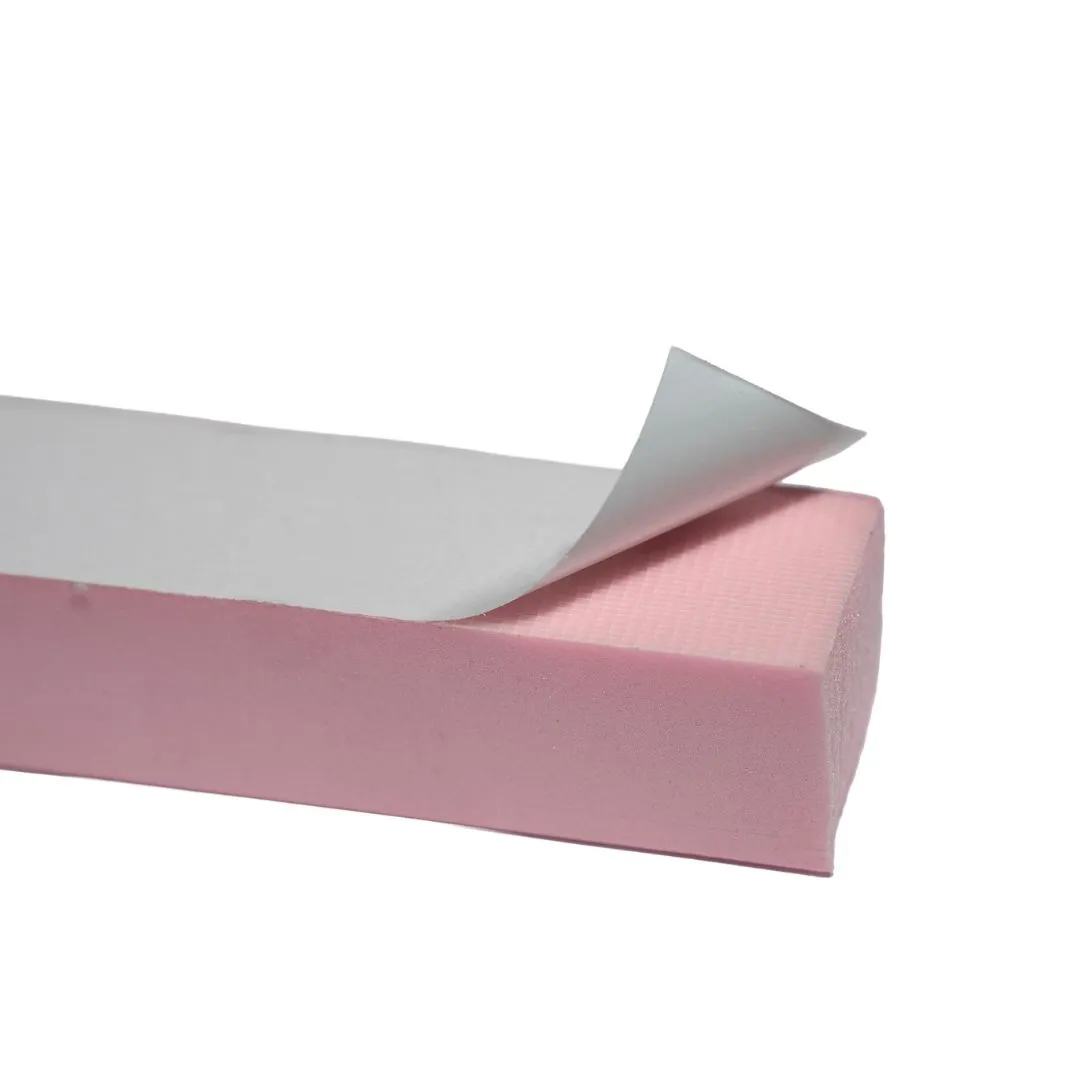
Available in multiple thicknesses to suit your current wall design or step up your Total Wall R-Value for stronger 7-Star outcomes.
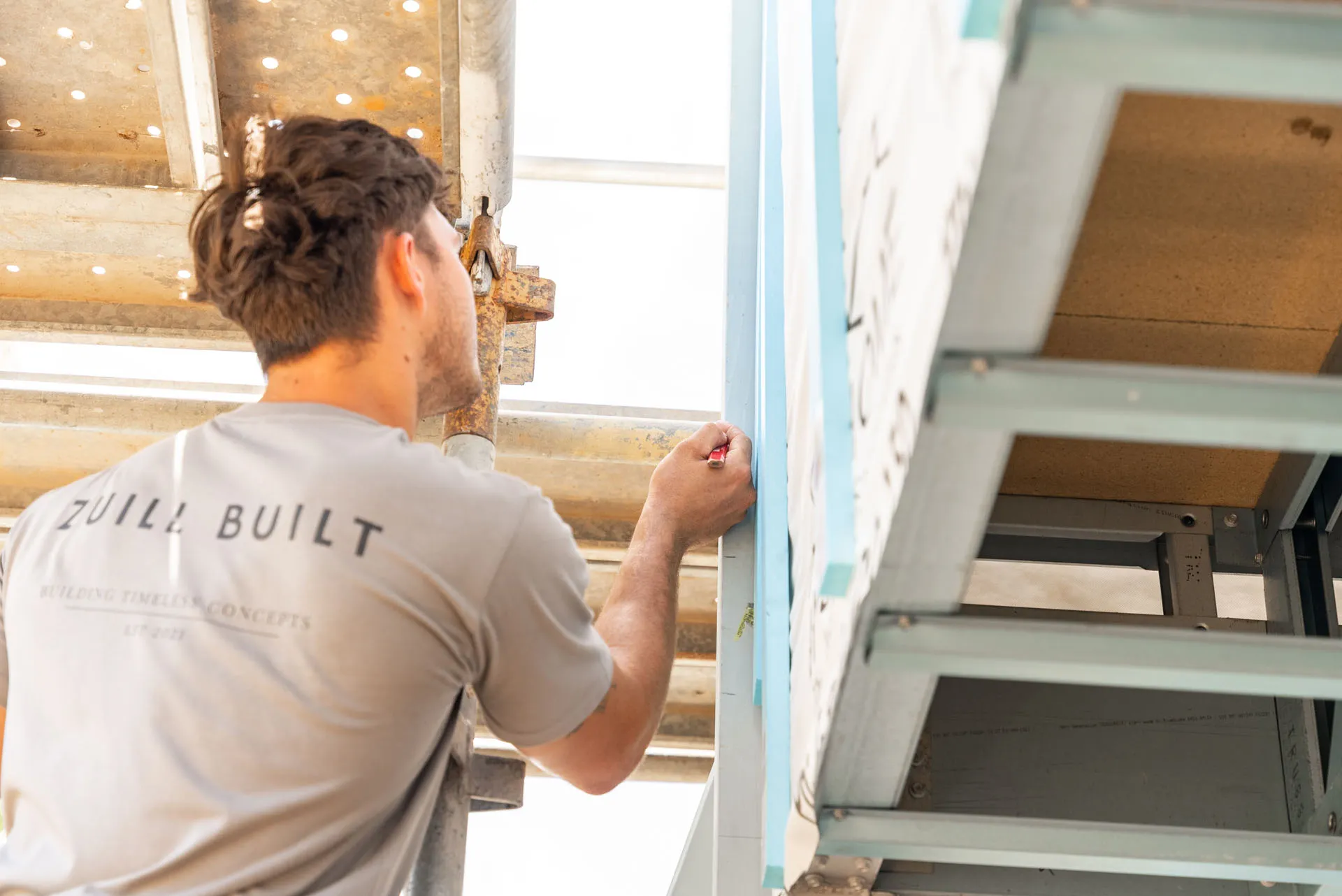
ATI products are built to perform across the life of the building, not just at handover. Dimensional stability under load, tested R-values and compatibility with major cladding manufacturer guidance are built in from the start. That means fewer callbacks and greater confidence in the long-term outcome.
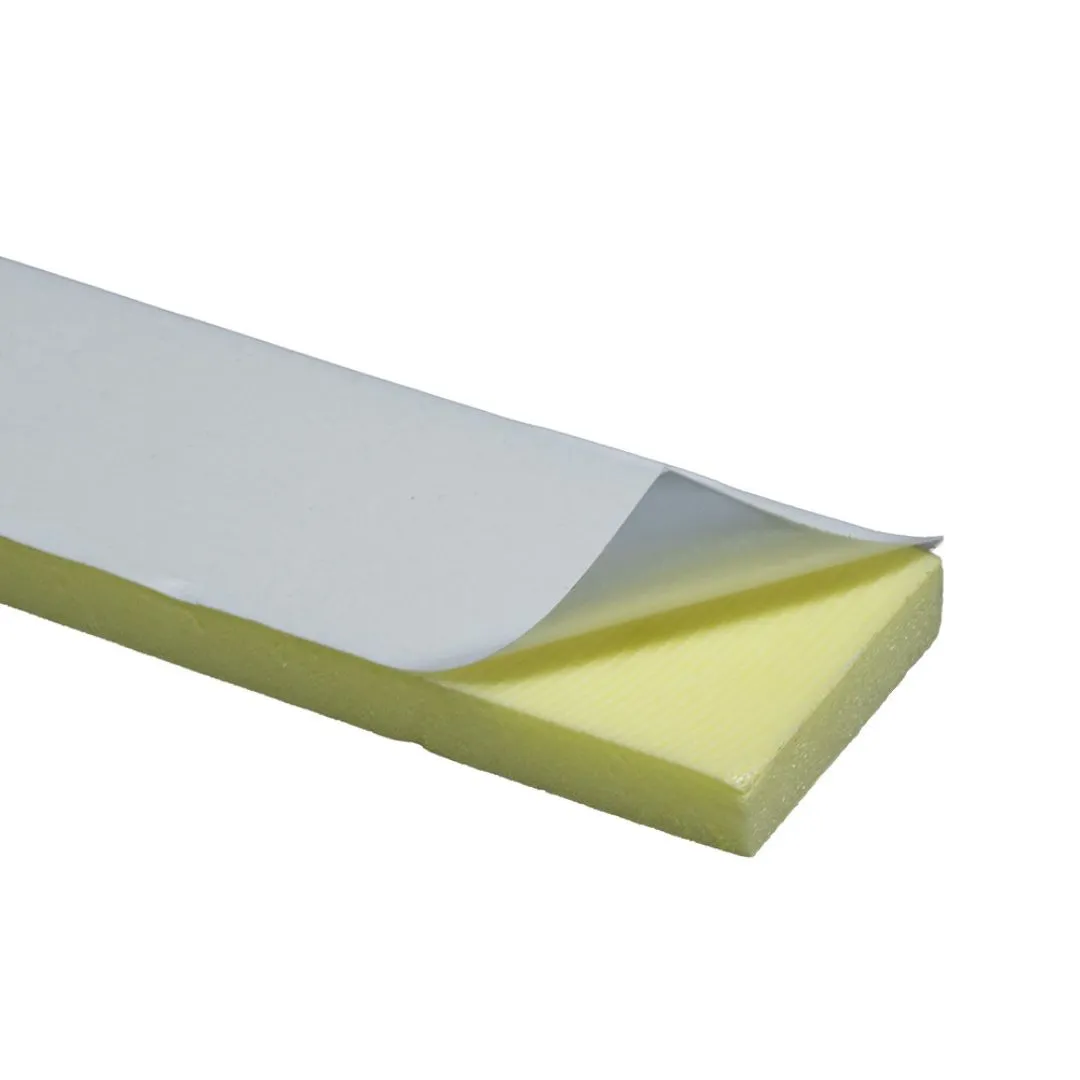
Each product in our range is independently tested, clearly documented and available through our stockist network.
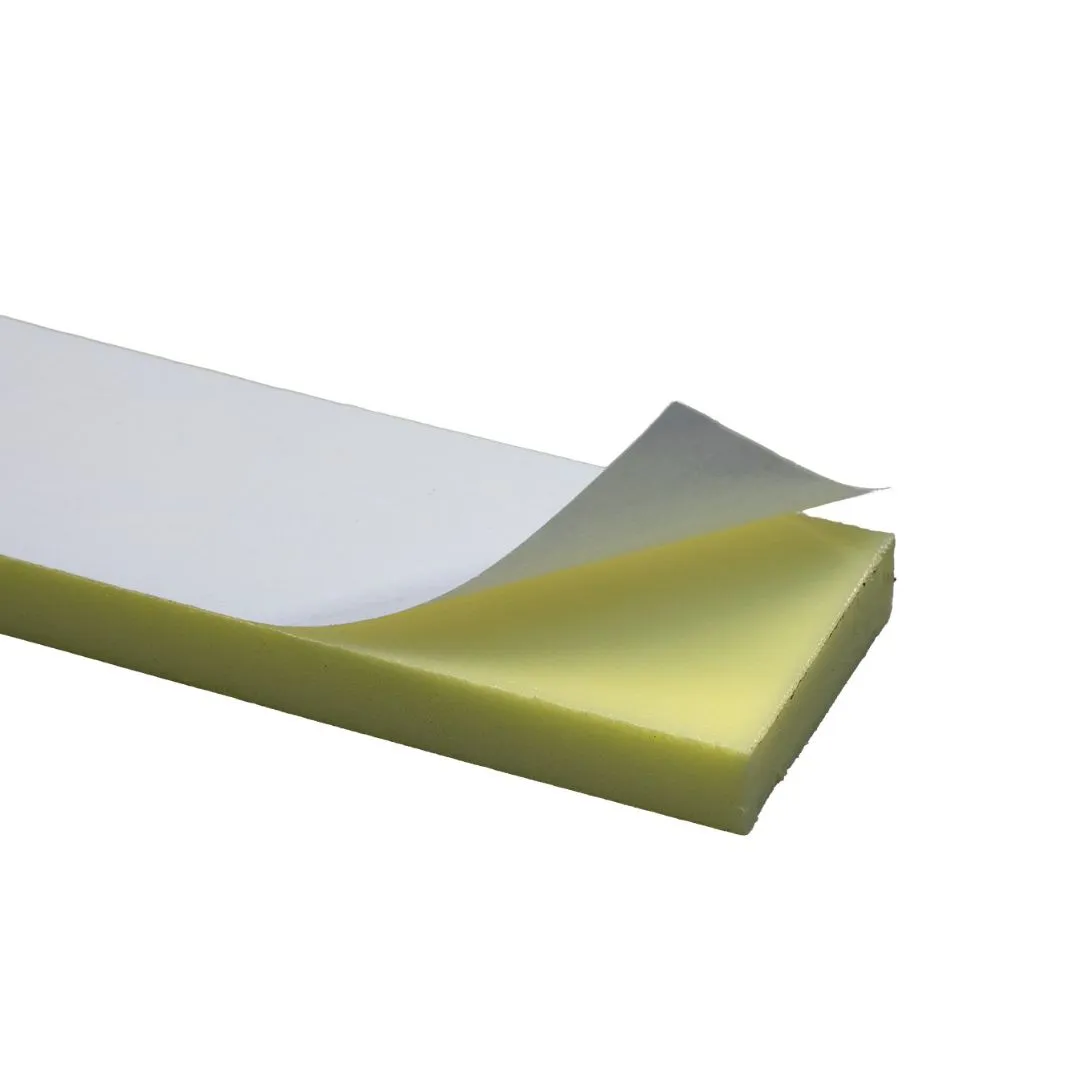
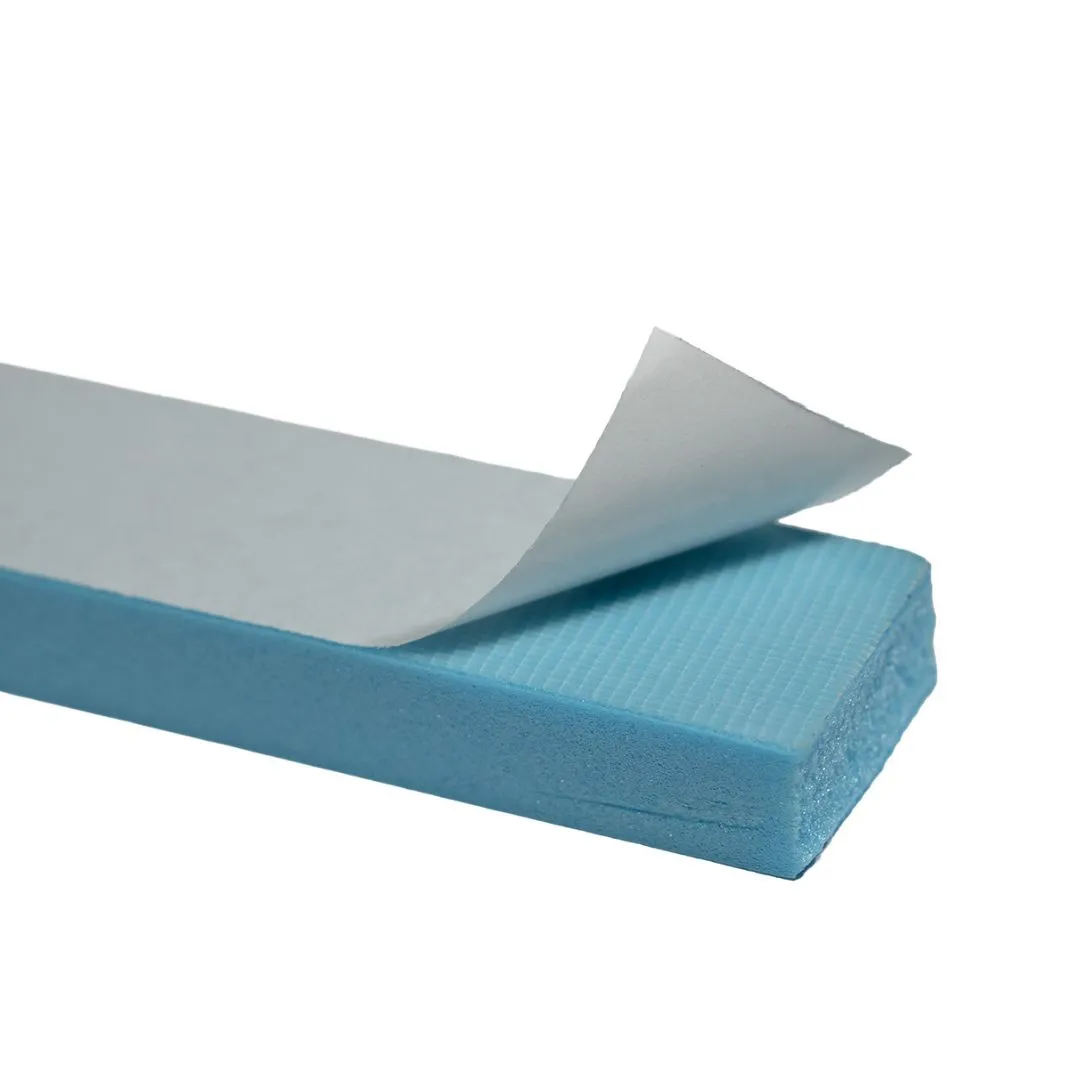
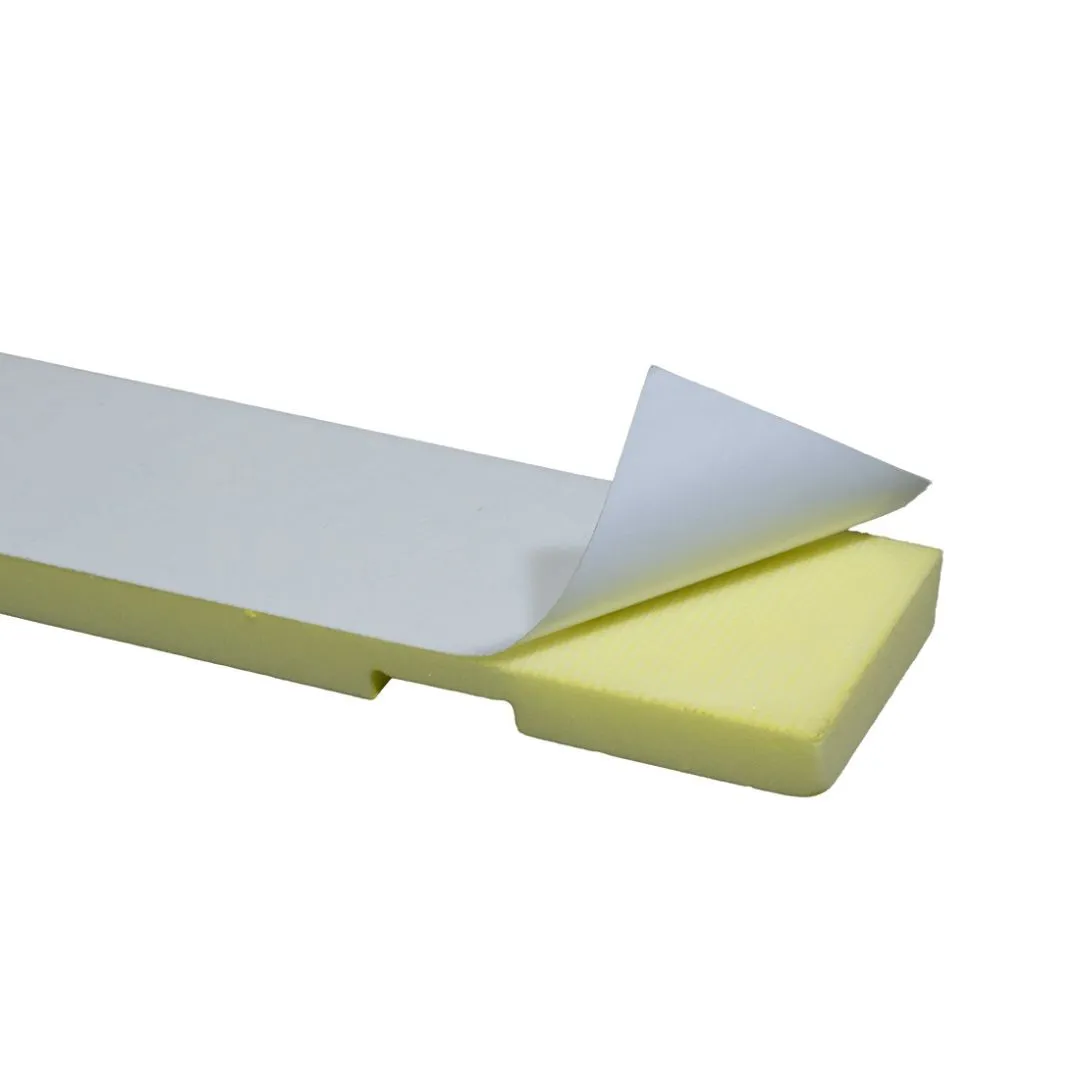
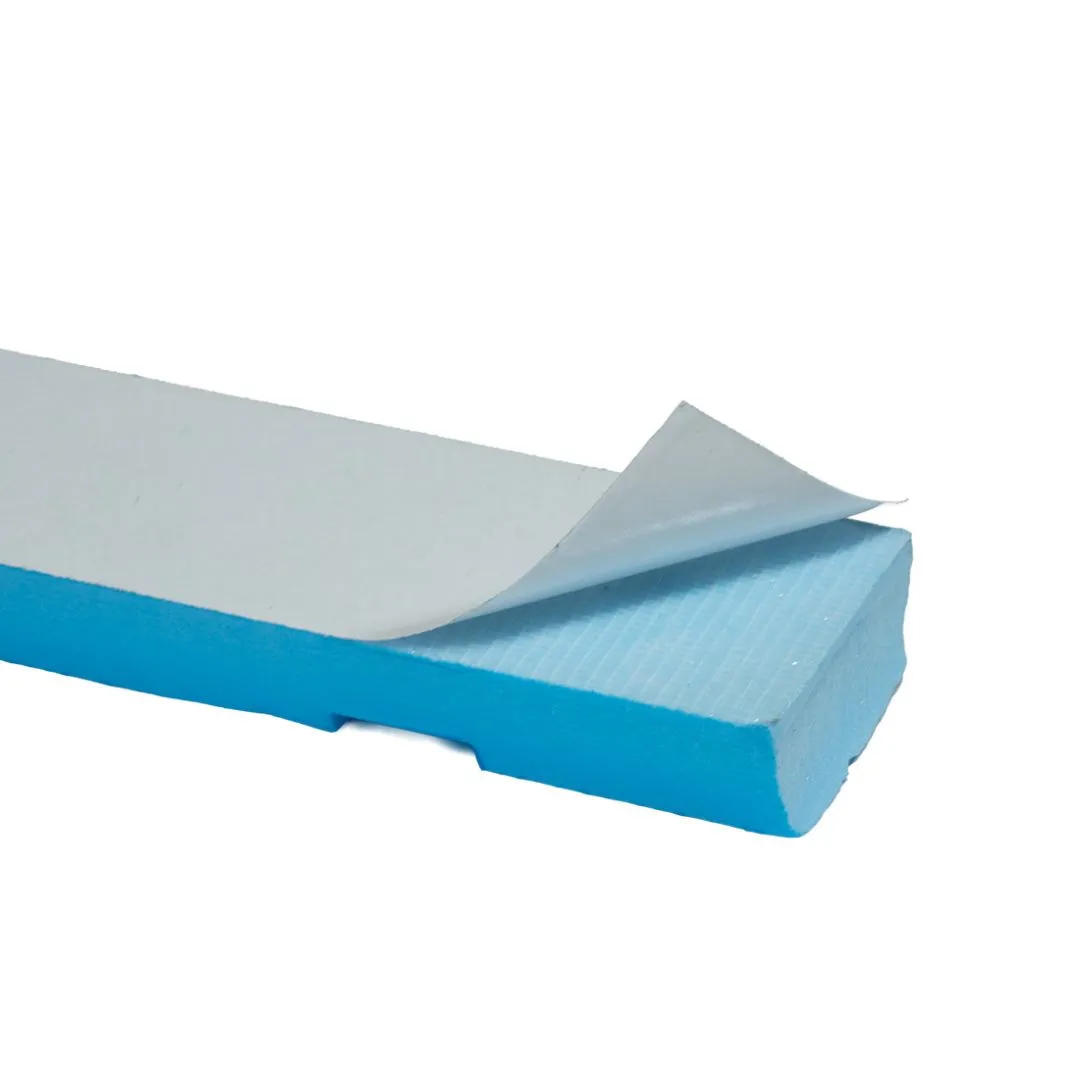
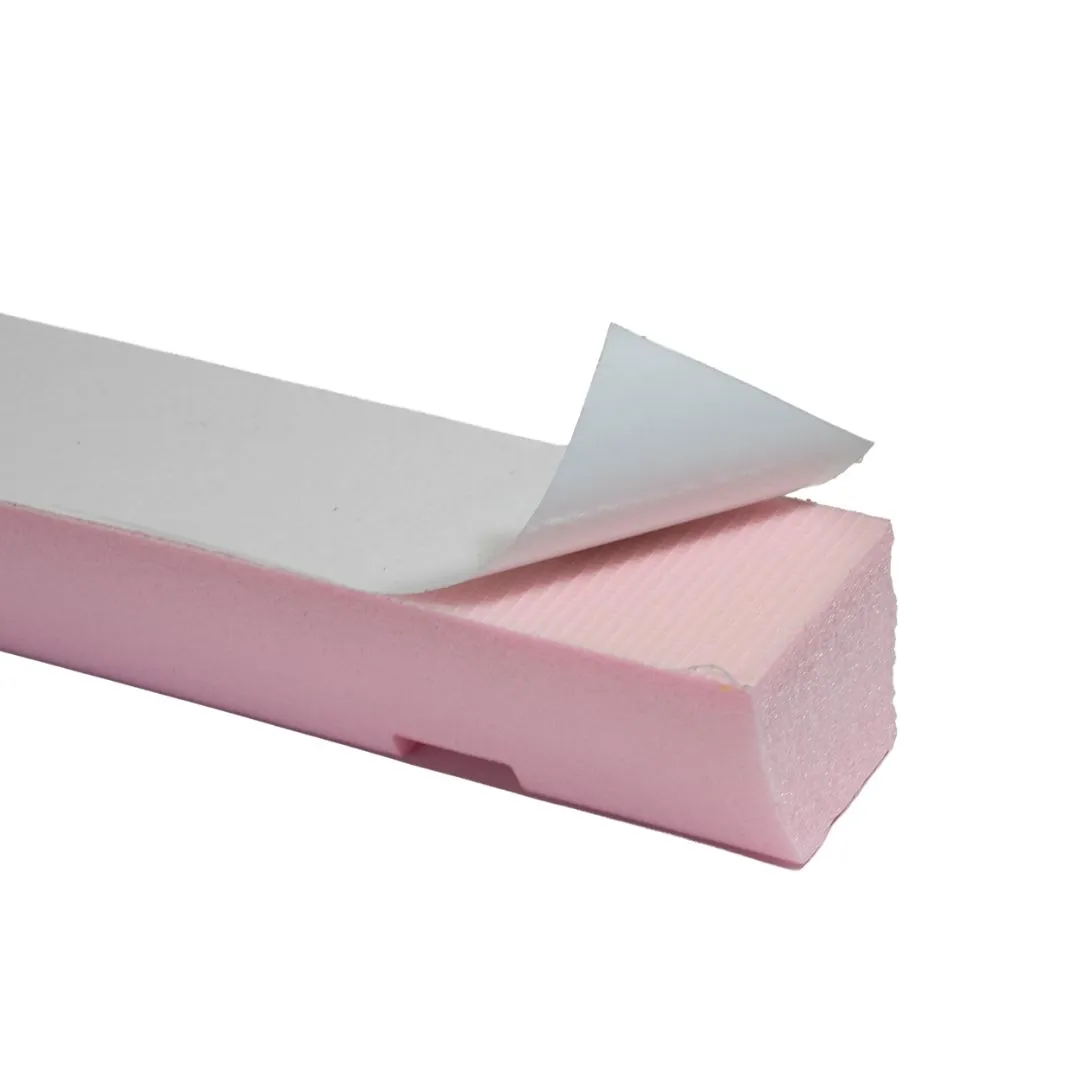
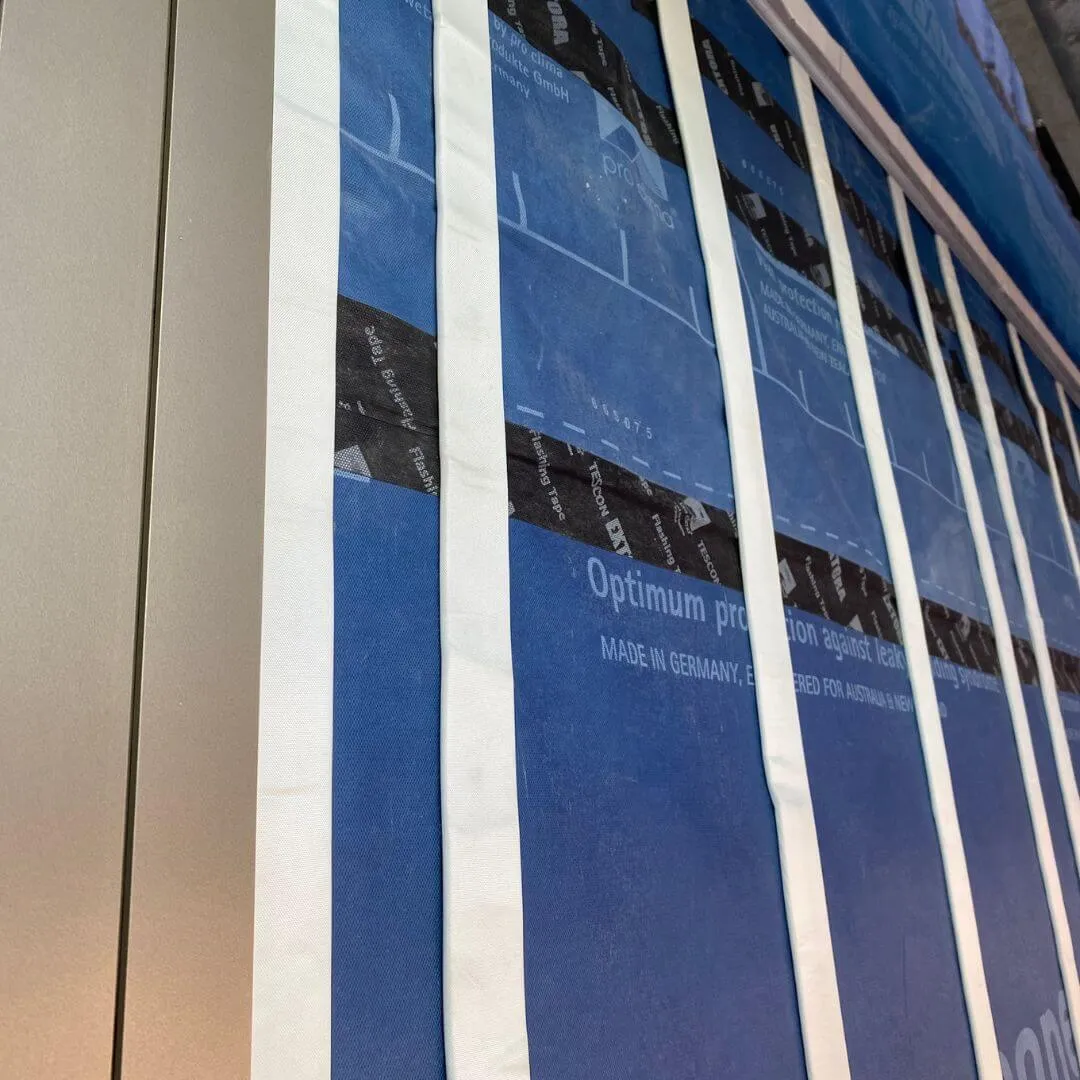
Cavi-Break applies vertically over framing members, providing a thermal break on steel frames and a defined cavity for condensation management on timber. Pairs with Cavi-Vent to complete the wall system.


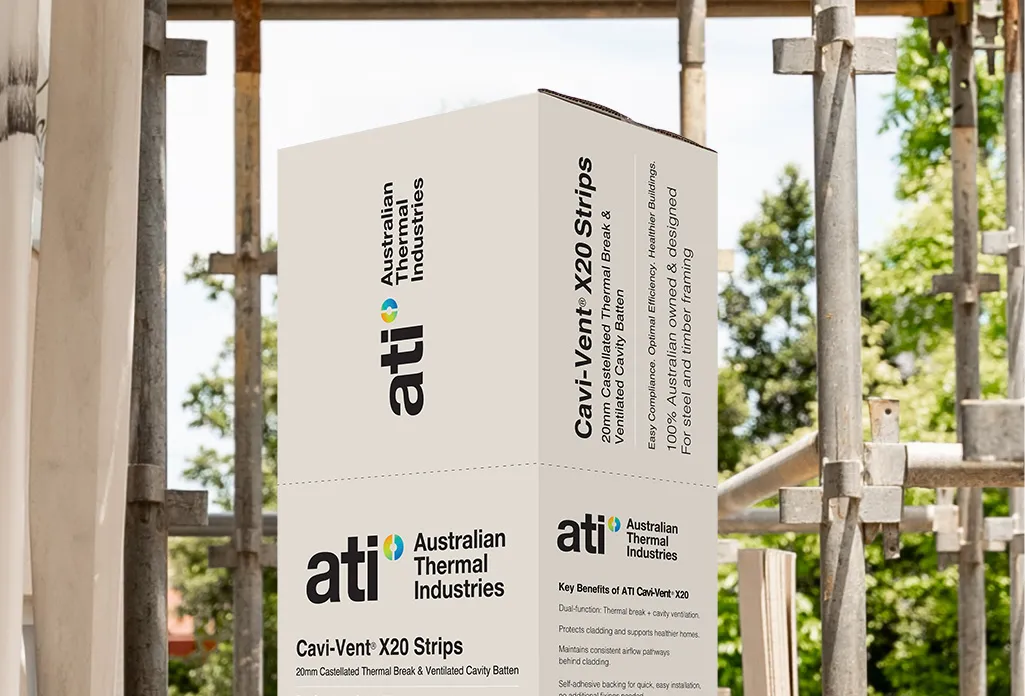
Cavi-Vent installs horizontally to create a drained and ventilated cavity behind cladding while maintaining continuous thermal separation. Pairs with Cavi-Break to complete the wall system.

.webp)


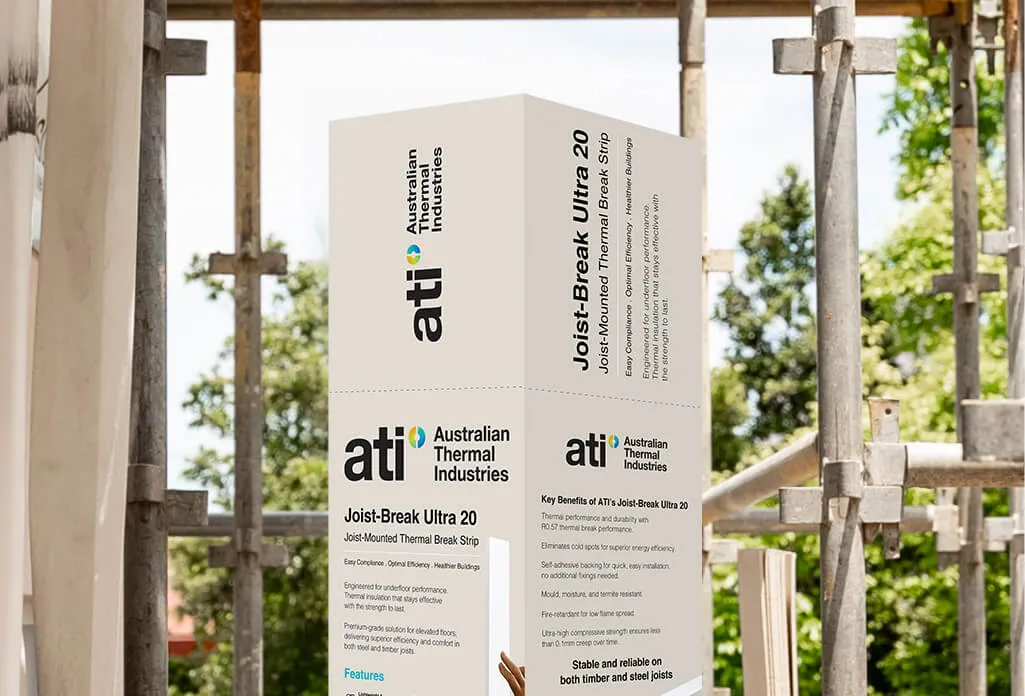
Joist-Break Ultra reduces thermal bridging at the joist interface for homes on posts and stumps. Better comfort underfoot, lower energy bills, and virtually no compression over 50 years.

For apartments, commercial and multi-storey applications where non-combustible materials are required under the NCC. Tested and classified under AS 1530.1, suitable for all BAL ratings.

Learn why Philip Usher Constructions chose ATI's Cavi-Break X10 for their Aged Care developments – and why consistent product quality, deep technical knowledge, and seamless delivery made it an easy decision to keep coming back.
Read More
Learn why Bentley Development Management chose Cavi-Break and Cavi-Vent for a 30-townhouse steel frame project in North West Brisbane – and why their cladding installers actively requested it after seeing what happens when wall cavities can't drain or ventilate.
Read More