
Joist-Break® Ultra
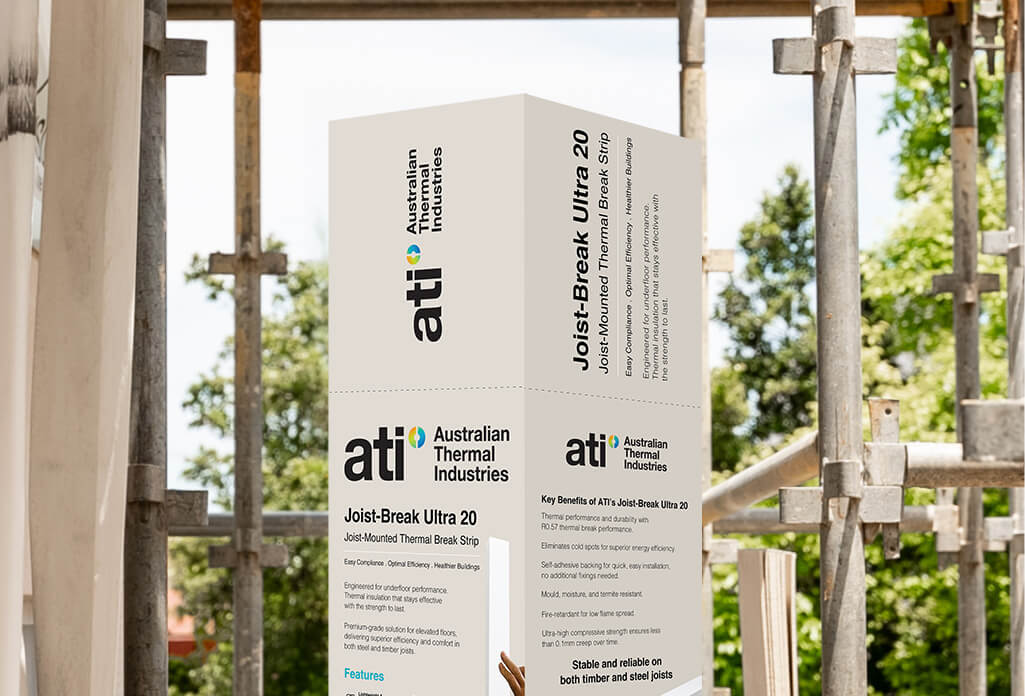
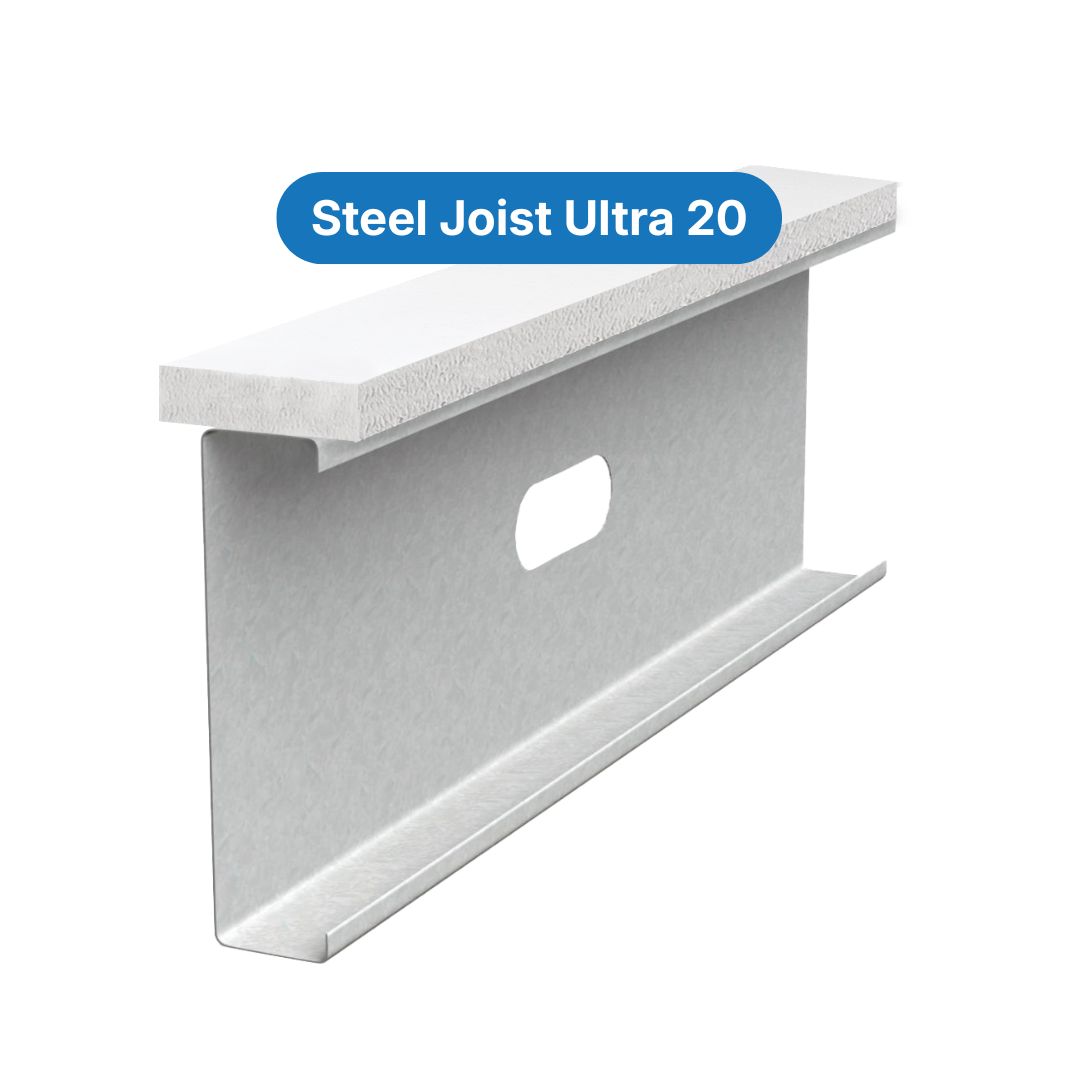
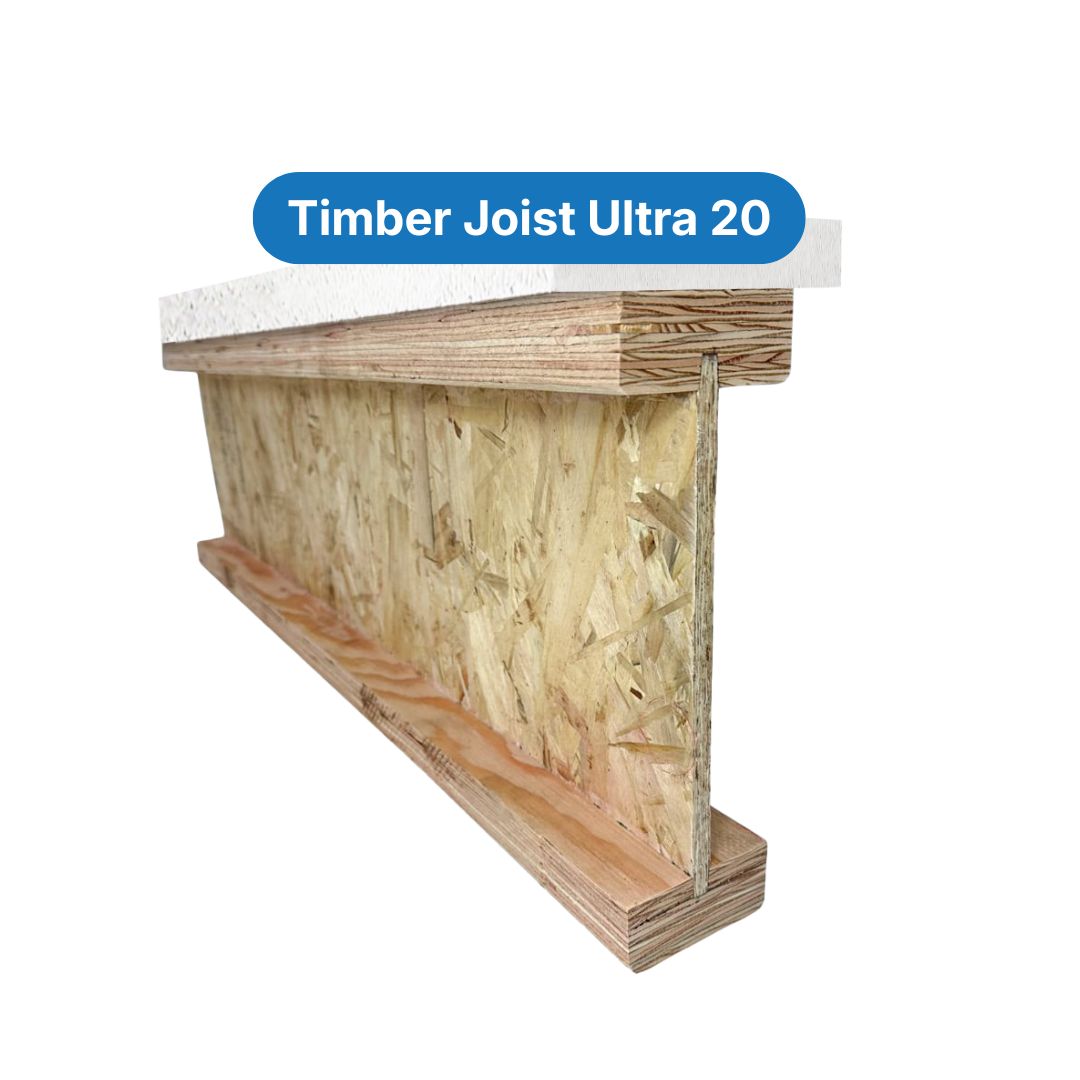
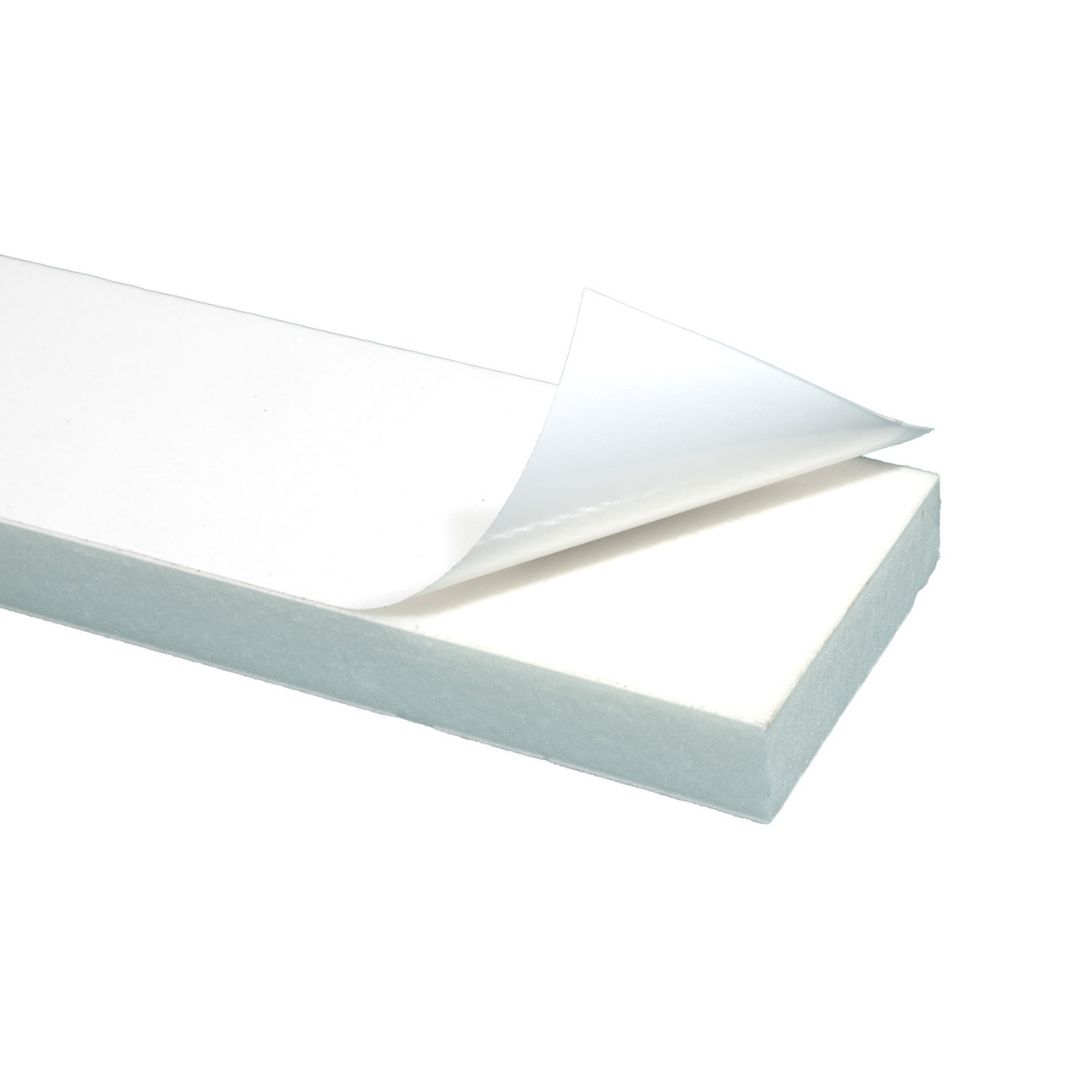
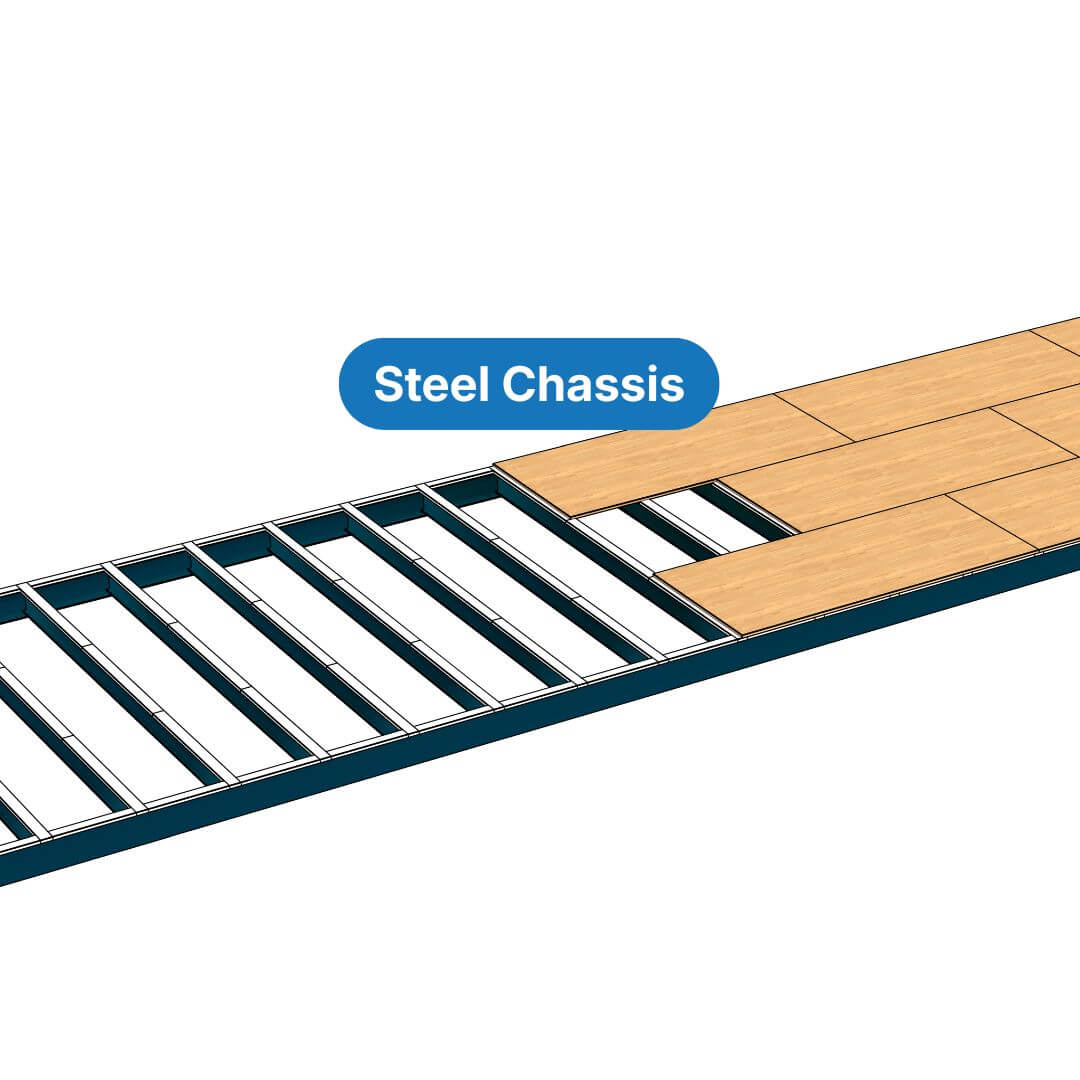
Joist-Break Ultra is a purpose-built thermal break for underfloor and joist-mounted applications. For homes built on posts and joists rather than slabs, the floor is a common weak point in the building envelope that wall-only solutions miss. Joist-Break Ultra addresses it.
- Purpose-built for joist and floor applications, addressing thermal bridging where wall products can't reach.
- Available in two thicknesses: Ultra10 and Ultra20.
- Ultra high compressive strength with virtually no compression over 50 years, engineer verified.
- Improves floor thermal performance by approximately 130 per cent.
- Easy to install and cut to length on site with standard hand tools.
- Works alongside Cavi-Break and Cavi-Vent to address thermal bridging across the full building envelope.

Technical information

All ATI Cavi-Break and Cavi-Vent products are manufactured from XPS that does not absorb moisture, rot, swell or twist. Once installed, they maintain thermal separation and cavity depth passively with no maintenance required. Minimum 50-year lifespan.
Addressing thermal bridging in walls alone leaves the floor junction as an unmanaged weak point in the building envelope. Joist-Break Ultra works alongside Cavi-Break and Cavi-Vent, allowing builders to address thermal bridging across the full envelope from one supplier with compatible products.
Joist-Break Ultra is suited to any building where floors are constructed on joists rather than a slab. This includes residential homes on slope blocks, split-level and elevated builds, traditional style homes such as Queenslanders, modular buildings and relocatable structures. It is particularly relevant in applications such as mining camp accommodation, where controlling temperature loss through the floor has a direct and measurable impact on energy costs.
While floor thermal breaks are not yet fully mandated across all building types, NCC energy efficiency requirements assess the whole building envelope including the floor. For buildings where the floor is exposed or elevated, thermal bridging at the joist interface is a measurable contributor to energy loss. As energy efficiency standards continue to tighten, addressing the floor junction proactively reduces the risk of redesign or non-compliance as requirements evolve.
Compressive creep refers to the slow deformation of a material under sustained load over time. For floor applications, even small amounts of creep can result in an uneven floor surface and compromised thermal performance. Joist-Break Ultra's ultra high compressive strength XPS is specifically selected to resist this deformation, with independent engineering calculations confirming less than 0.06mm creep over a 50-year period, making it structurally appropriate for joist-mounted applications.
Improving floor thermal performance has historically been difficult because standard foam products compress under load, leading to uneven floors and engineering problems. Joist-Break Ultra is engineered to overcome this, with virtually no compression over 50 years, engineer verified. It improves floor thermal performance by approximately 130 per cent.
Thermal bridging at the floor junction occurs when joists and structural connections provide a direct conductive path for heat to bypass the floor assembly. In buildings constructed on posts and joists rather than slabs, this is one of the most commonly overlooked weak points in the building envelope. Joist-Break Ultra addresses thermal bridging specifically at the joist interface, completing the thermal envelope from wall to floor.


Product benefits


Joist-Break Ultra is straightforward to install at the joist interface, no power tools required. Lightweight, easy to handle on site and cut to length with standard hand tools.
Floor thermal performance is an increasingly recognised requirement as energy efficiency standards tighten. While floor thermal breaks are not yet fully mandated across all applications, NCC energy efficiency requirements are driving greater scrutiny of the whole building envelope, including the floor. Joist-Break Ultra is independently tested and documented, supporting compliance conversations as those expectations evolve.
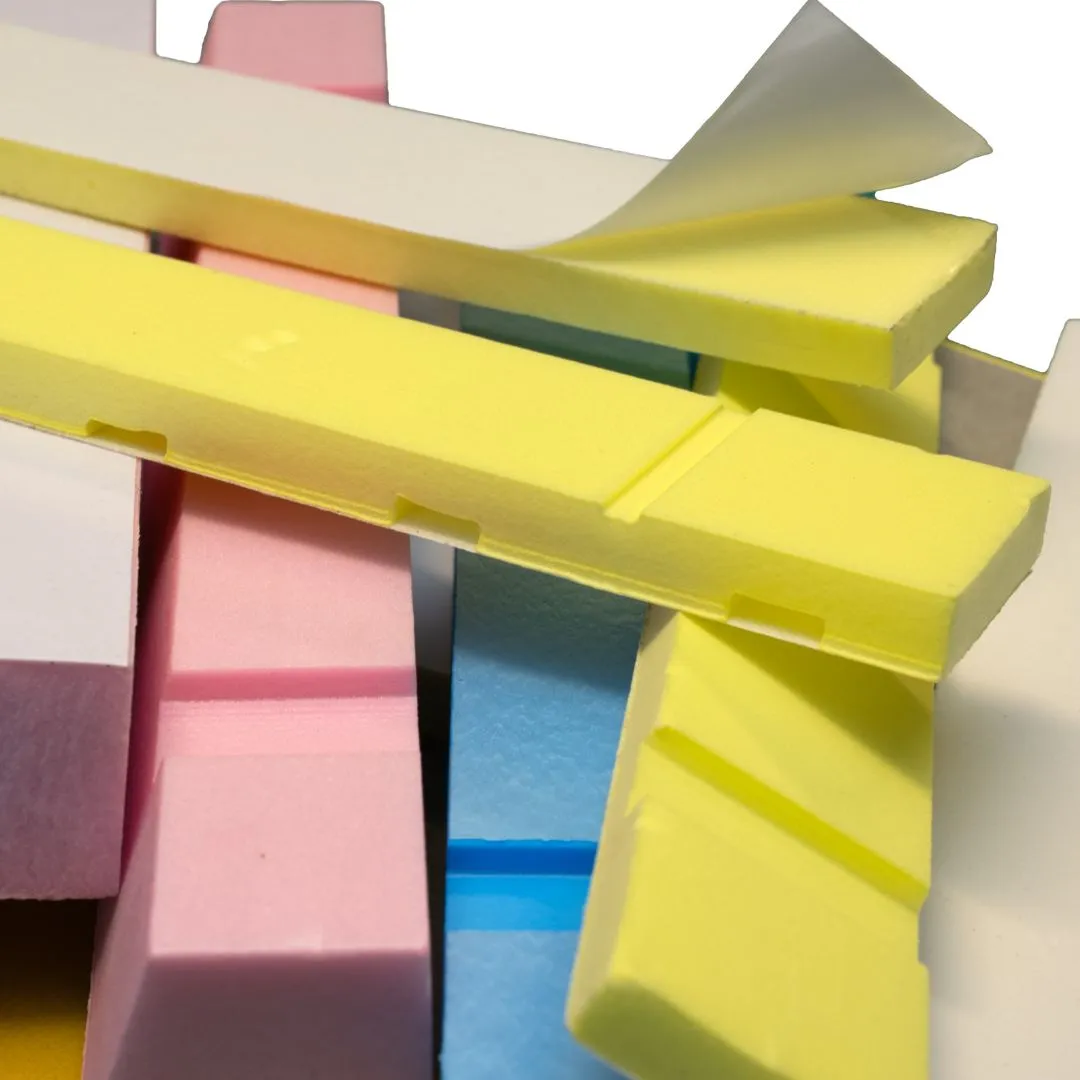
Joist-Break Ultra is available in two thicknesses, Ultra10 and Ultra20, allowing specifiers to match thermal performance to the project's requirements and detailing constraints. Both variants are engineered to maintain dimensional stability under load, so the floor stays level across the life of the building.

Unlike standard foam products that compress and cause floor unevenness over time, Joist-Break Ultra delivers virtually no compression over 50 years, engineer verified. It improves floor thermal performance by approximately 130 per cent, delivering passive energy benefits that last the life of the building without any maintenance.


Frequently asked questions
Yes. All ATI Cavi-Break and Cavi-Vent products are manufactured from high-density XPS that does not absorb moisture, rot, swell or twist. Each product is designed with a minimum 50-year lifespan. Once installed, they work passively with no maintenance required.
Yes. Builders can address thermal bridging across the full building envelope, walls and floors, from one supplier with compatible products.
Joist-Break Ultra improves floor thermal performance by approximately 130 per cent. Once installed, it works passively with no maintenance required.
Floor thermal breaks are not yet fully mandated across all building types, but energy efficiency requirements are tightening and the whole building envelope is under increasing scrutiny. Joist-Break Ultra is well positioned for that direction, and for builders working on slope blocks, modular buildings or any project where the floor is exposed, it is a straightforward way to improve performance and future-proof the build.
Significantly less. Some competing approaches involve panelised systems with ply and foam at $80 to $90 per square metre. Joist-Break Ultra delivers meaningful thermal improvement at a fraction of that cost, opening up floor thermal performance to a much wider range of projects.
Both Cavi-Break and Cavi-Vent are available in four tested configurations: X10 (R0.28), X12 (R0.32), X20 (R0.58) and X35 (R0.90). For Cavi-Vent, the X12 variant is specifically relevant where a defined 12mm drained and ventilated cavity is required under NCC 2025 in Climate Zones 6, 7 and 8. For Joist-Break Ultra, two variants are available: Ultra10 and Ultra20.
Joist-Break Ultra is suited to any building where floors are constructed on joists rather than a slab. This includes homes on slope blocks, split-level builds, older style homes such as Queenslanders, and modular or relocatable buildings. It is also well suited to applications like mining camp accommodation where controlling temperature through the floor is a significant factor in energy costs.
Product brochures and installation guidance are available in the Resources section. For specifiers requiring tested R-value data, compliance documentation or energy modelling notes, a Specifier Pack is available upon request.
All ATI products are available through ATI's reseller and stockist network. Find your nearest stockist on the Where to Buy page, or contact ATI directly if you need help identifying the right supplier for your project.
The floor is one of the most commonly overlooked parts of the building envelope. In homes built on posts and joists rather than slabs, heat and cold transfer directly through the joist connections, undermining the overall energy performance of the home regardless of how well the walls and ceiling are insulated. Joist-Break Ultra addresses thermal bridging at that interface, completing the envelope from wall to floor.
Standard foam products compress over time, which causes unevenness in the floor and creates engineering problems. Joist-Break Ultra has been specifically developed to overcome this, with virtually no compression over 50 years, engineer verified. The floor stays level and the thermal performance holds up across the life of the building.